C.A.Gs · Midland, Texas · Family Aviary Since 2014

African Grey Parrot Breeder You Can Trust

At C.A.Gs, Mark & Teri Benjamin have hand-raised captive-bred Congo and Timneh African Greys since 2014. Every bird is DNA-sexed, avian-vet certified, and placed with full CITES Appendix I documentation — never wild-caught, always with lifetime breeder support.

  • USDA Licensed
  • CITES Appendix I
  • DNA Sexed
  • 10+ Year Support
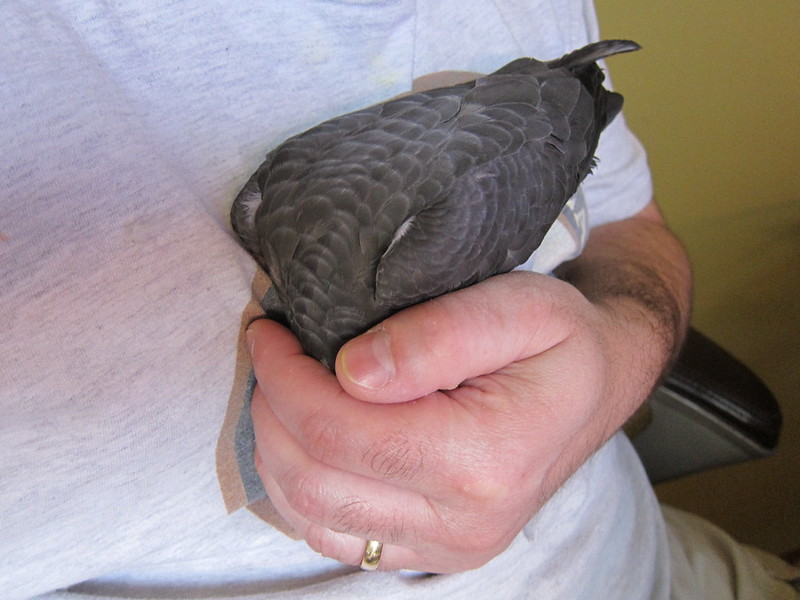
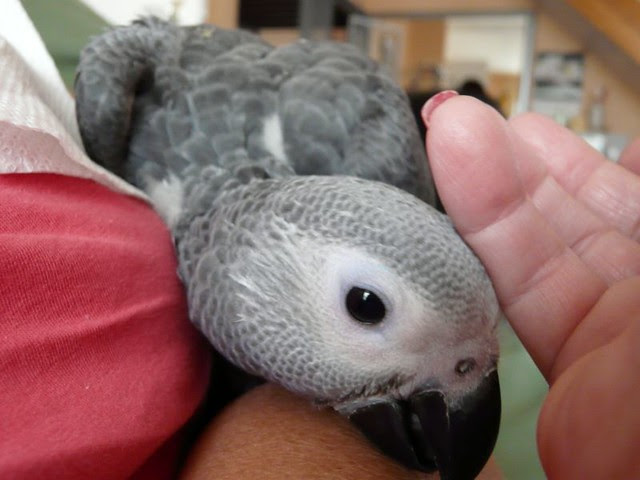
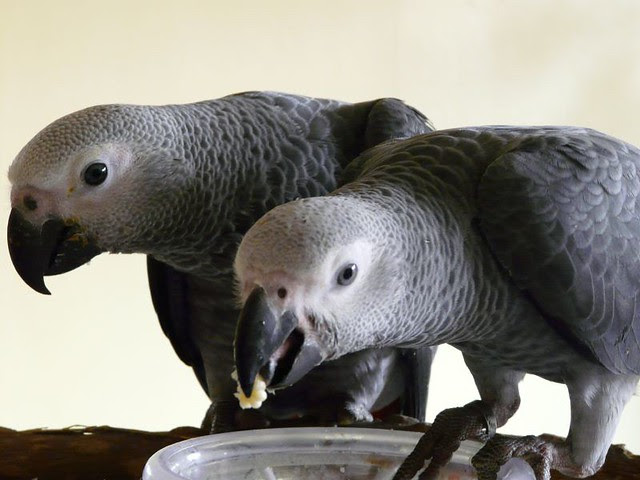
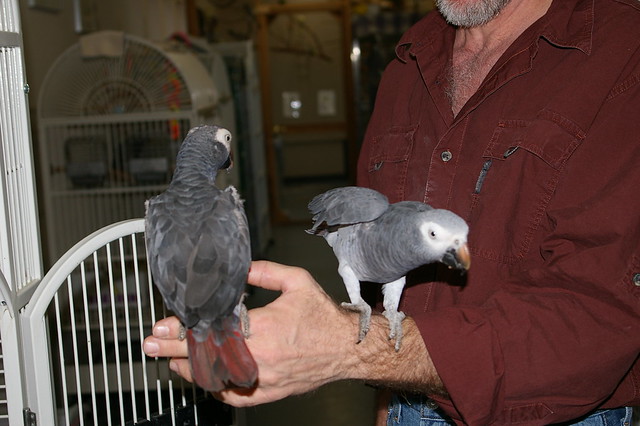
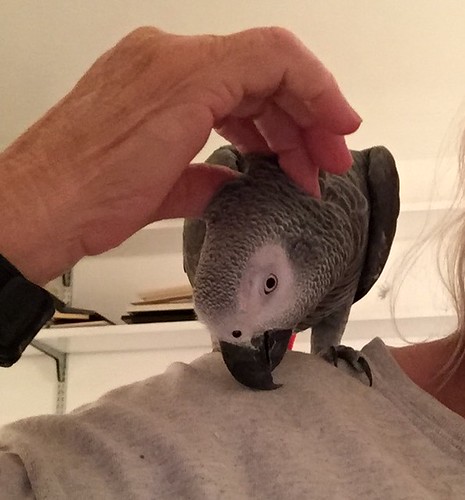
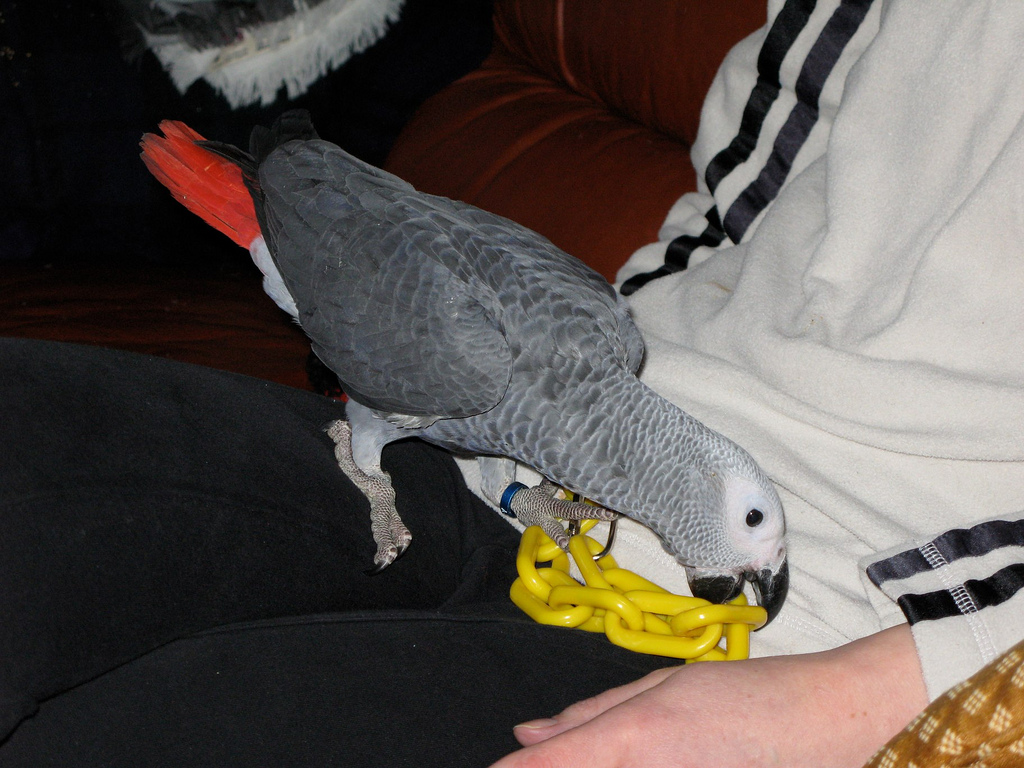
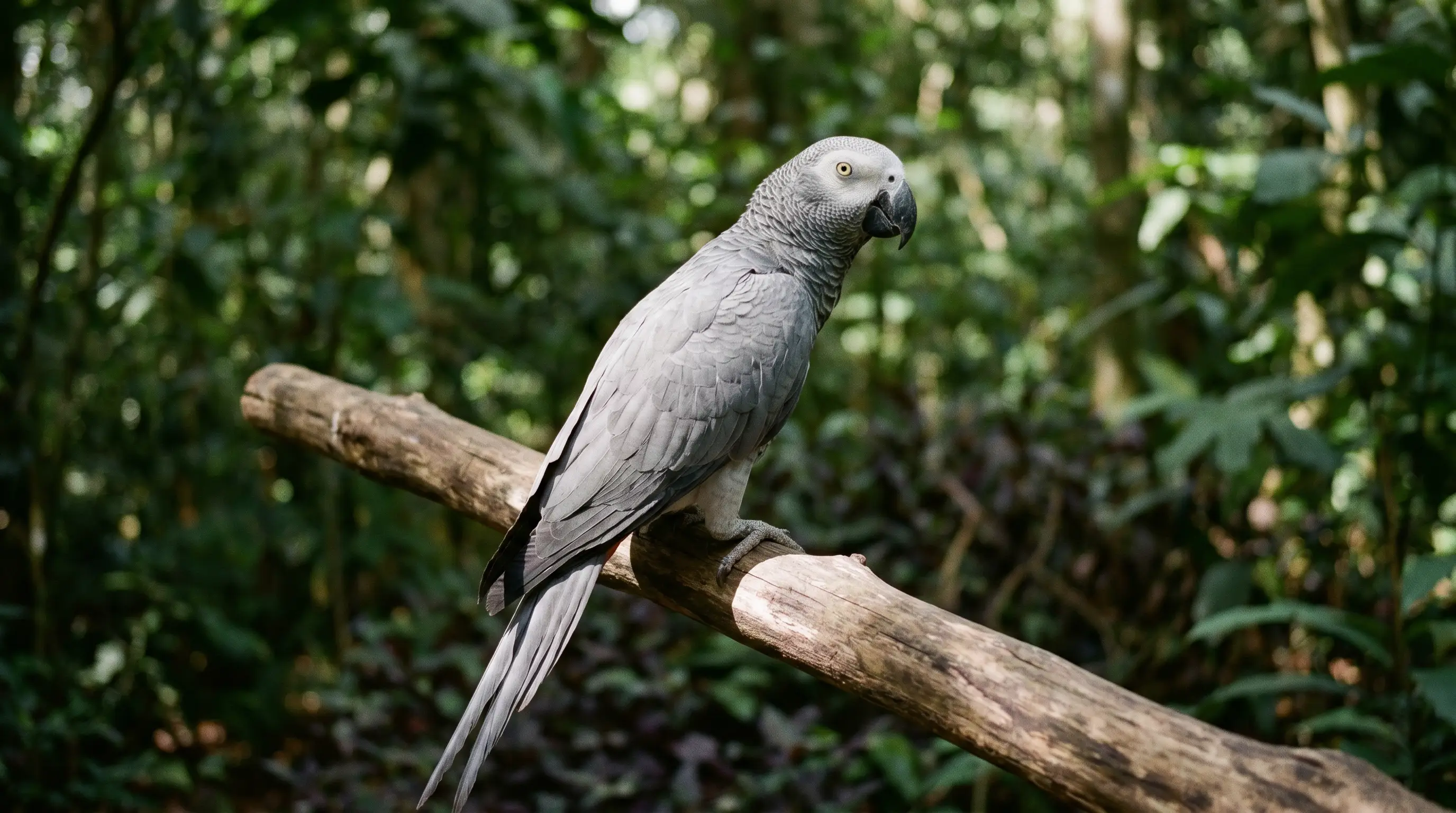
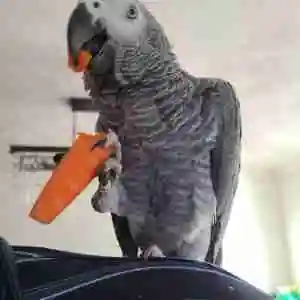
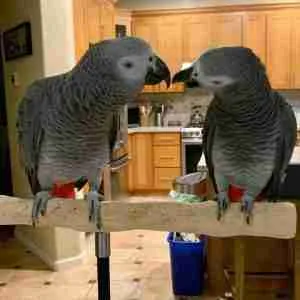
Mark and Teri Benjamin's captive-bred Congo African Grey parrots photographed inside the C.A.Gs family aviary in Midland, Texas, showing the signature silver-scalloped grey plumage and bright red tail feathers of a healthy, hand-raised, DNA-sexed African Grey parrot that leaves with full CITES Appendix I documentation and an avian-veterinarian health certificate.
6 Birds Available Now
12+
Years Aviary
100%
CITES Documented
$1,500
Floor Price
24h
Reply Guarantee

The short version

What Makes C.A.Gs a Trusted African Grey Breeder?

8 facts · 90-sec read
2014
Family Aviary

Mark & Teri Benjamin hand-raise every Congo and Timneh African Grey in their Midland, Texas home.

100%
Captive-Bred

Every bird is hatched in the USA with full CITES Appendix I documentation — never wild-caught.

DNA
Sexed & Vet-Checked

Each Grey ships with a DNA sex certificate and an avian-veterinarian health certificate.

$1,500+
Honest Pricing

Timneh Greys from $1,500 and Congos from $1,700 — no $400 bait listings, ever.

40–60 yr
Lifetime Companion

African Greys live for decades, so we back every bird with support for its whole life.

USDA
AWA Licensed

C.A.Gs holds a USDA Animal Welfare Act license you can verify before you pay anything.

Nationwide
IATA Shipping

Birds travel safely to your nearest major airport in a USDA-approved travel crate.

24h
Reply Guarantee

Send an inquiry and hear back from Mark or Teri within one business day.

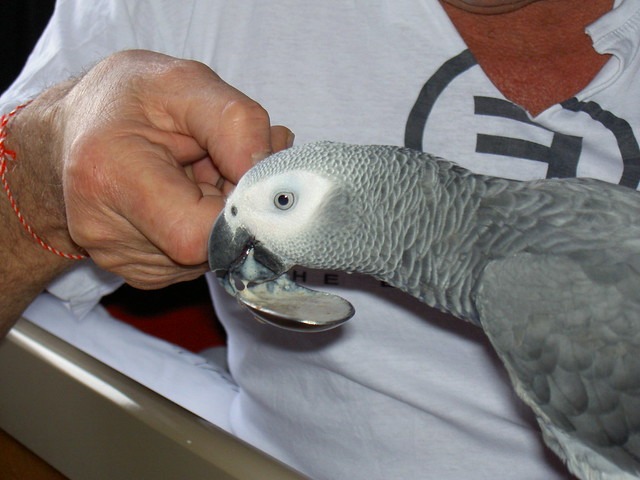
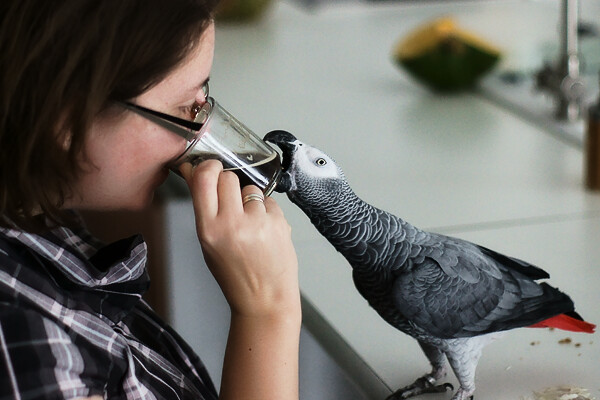
Mark Benjamin of C.A.Gs in Midland, Texas, hand-feeding a captive-bred Congo African Grey chick from a spoon inside the family home aviary — the hands-on, USDA Animal Welfare Act–licensed hand-rearing that produces the DNA-sexed, avian-vet-checked, CITES Appendix I documented African Grey parrots the Benjamins place with families nationwide. Mark & Teri Benjamin · Est. 2014

Meet the Breeders

Who Are the Breeders Behind C.A.Gs?

We started raising African Greys in our Midland, Texas home in 2014 — because we could not stand how many were sold sick, undocumented, or shipped from people the buyer would never meet. So C.A.Gs became the opposite: every chick is hand-fed inside our home, never warehoused in a back-room facility.

Every bird is DNA-sexed, examined by an avian veterinarian, closed-banded, and CITES Appendix I documented before it leaves us — and you hold that paperwork before any money changes hands. A decade on, the principle is unchanged: raise fewer birds, raise them right, and stay reachable long after pickup.

— Mark & Teri Benjamin, C.A.Gs

✓ USDA AWA Licensed✓ CITES Appendix I✓ DNA Sexed✓ Avian-Vet Certified

Verified Buyer Review

What Do African Grey Families Say About C.A.Gs?

Alice Tengan
VERIFIED
⭐⭐⭐⭐⭐
"I searched for African Grey parrots for sale near me for months before finding C.A.Gs. Their birds are truly top-notch! My African Grey is affectionate, intelligent, and already picking up words. The shipping process was seamless, and they included a health guarantee."
Alice Tengan
Cheektowaga, NY · Congo African Grey

This Week's Aviary

Which Hand-Fed African Greys Are Available Right Now?

Real birds. Real availability. Every one is hand-fed, DNA-sexed, CITES-documented, and vet-certified — no waitlist tricks, no bait listings.

View All Birds →
Roys — Male Congo African Grey parrot, captive-bred, Midland TX Baby Boy 📍 Midland, TX

Roys

Male · 4 mo · Congo African Grey

"Energetic, curious, and impossible to ignore."

Hand-raised male, 4 months old. Thrives in a lively home where there's always something to watch.

CITES Cert DNA Sexed Vet Certified
$2,300 + $200 deposit
Inquire →
Amie — Female Congo African Grey parrot, captive-bred, Midland TX New Arrival 📍 Midland, TX

Amie

Female · 3 mo · Congo African Grey

"She mimics your laugh before you finish it."

Premium hand-raised female, 3 months old. Full social training. Responds to her name already.

CITES Cert DNA Sexed Vet Certified
$2,500 + $200 deposit
Inquire →
Bery — Female Congo African Grey parrot, captive-bred, Midland TX Best Value 📍 Midland, TX

Bery

Female · 1 yr · Congo African Grey

"Gentle, easy, and the bird first-time owners dream of."

Soft temperament, easy to handle. 1-year-old female — personality fully developed, ready to bond.

CITES Cert DNA Sexed Vet Certified
$1,700 + $200 deposit
Inquire →
Jins + Jeni — Pair Congo African Grey parrot, captive-bred, Midland TX Must-Go Pair 📍 Midland, TX

Jins + Jeni

Pair · 4–6 mo · Congo African Grey

"Two birds, one bond. They go together — and so do you."

Unrelated pair, must be adopted together. Jins (male, 6mo) + Jeni (female, 4mo). Both hand-raised with full social training.

CITES Cert DNA Sexed Vet Certified
$3,500 pair + $200 deposit
Inquire →
Elad — Male Timneh African Grey parrot, captive-bred, Midland TX Timneh 📍 Midland, TX

Elad

Male · 5 mo · Timneh African Grey

"Smaller bird. Bigger personality than you expected."

Hand-raised male Timneh African Grey, 5 months old. Full social training. Ready to go home.

CITES Cert DNA Sexed Vet Certified
$1,600 + $200 deposit
Inquire →
Evie — Female Timneh African Grey parrot, captive-bred, Midland TX Timneh 📍 Midland, TX

Evie

Female · 6 mo · Timneh African Grey

"Calm, clever, and ready to come home."

Hand-raised female Timneh African Grey, 6 months old. Full social training. Gentle and sociable.

CITES Cert DNA Sexed Vet Certified
$1,500 + $200 deposit
Inquire →
✓ CITES Captive-Bred Cert✓ DNA Sex Certificate✓ Avian Vet Health Cert✓ Hatch Certificate

Beyond Single Birds

Looking for Fertile Eggs or a Bonded Breeding Pair?

Whether you incubate your own clutch or want a proven, DNA-sexed pair for your own aviary, C.A.Gs places both — with the same CITES Appendix I documentation as every hand-fed baby.

Congo African Grey · Psittacus erithacus

What Is a Congo African Grey — the Classic Red-Tailed Talker?

Decades of documented cognition research made the Congo African Grey the bird people picture when they hear "the smartest parrot in the world." At C.A.Gs in Midland, TX, every Congo African Grey we place is hand-fed from the nest box, DNA-sexed, and CITES Appendix I documented — the proof behind the reputation.

THE LARGER SUBSPECIES

Why Is the Congo Considered the World's Best Talking Parrot?

The Congo African Grey (Psittacus erithacus) is the larger of the two subspecies — 400–600 grams, a brilliant scarlet tail, and a silver-scalloped grey body. Congos are extraordinary mimics with documented vocabularies of hundreds of words, and they bond deeply with their family. Ours are hand-raised in our Midland, Texas home, DNA-sexed, and CITES Appendix I documented.

"A Congo Grey doesn't just mimic words — it learns when to use them."
Shop Congo Greys →

How Big Does a Congo African Grey Get, and Why the Red Tail?

Field guides like the World Parrot Trust species profile describe the Congo exactly as buyers first see it: a dove-grey body with delicate white scalloping, an all-black beak, and the striking scarlet tail that sets it apart from every other parrot. Adults weigh roughly 400–600 grams and measure about 12–14 inches — the larger of the two subspecies, and the one with the clearest, most human-sounding voice in the parrot world.

Temperament is where the Congo earns its reputation as a sensitive bird. Because Congos read household mood closely and often bond hardest with one or two people, they thrive in calmer, attentive homes — the same routine and patience covered in our African Grey care guide is what turns that sensitivity into a decades-long conversation. Pricing reflects that ethical, hand-raised start, and our full African Grey price breakdown shows exactly what each documented bird includes.

What Is the Congo's Scientific Name — Psittacus erithacus?

Psittacus erithacus is the formal binomial for the Congo African Grey, native to the rainforests of West and Central Africa and listed on CITES Appendix I as a protected species. Every Congo we place is U.S. captive-bred and never wild-caught.

Is a Congo African Grey good for a beginner?
Congos can be a wonderful first parrot for a prepared, patient owner, but their sensitivity means they reward consistency. First-time owners who want a slightly more forgiving temperament often start with a Timneh African Grey instead.
How much does a Congo African Grey cost here?
Our Congo African Greys are $1,700 for a settled adult and $2,300–$2,500 for a hand-raised baby. The bonded Jins + Jeni pair is $3,500. A $200 deposit reserves your bird, and every price includes full documentation.

Timneh African Grey · Psittacus timneh

What Is a Timneh African Grey — the Calmer, Earlier-Talking Subspecies?

Once treated as a Congo sub-type, the Timneh is now recognized as a full species with its own steadier temperament. For many families, every Timneh African Grey we hand-raise at C.A.Gs is the gentler, first-timer-friendly path into the world of Greys.

THE SMALLER SUBSPECIES

Why Do First-Time Owners Choose the Timneh African Grey?

The Timneh African Grey (Psittacus timneh) is the smaller subspecies — 275–375 grams, a maroon tail, and a horn-colored upper beak. Timnehs tend to be calmer and less prone to nervous behavior than Congos, and they often start talking earlier — which makes them an excellent first African Grey. Like our Congos, every Timneh is captive-bred, DNA-sexed, and fully documented.

  • Price: $1,500 – $1,600
  • Size: 275–375g · maroon tail
  • Temperament: calmer, adapts quickly, earlier talker
  • Best for: first-time Grey owners and active families
Shop Timneh Greys →

How Is the Timneh Different From the Congo African Grey?

Often called the "underrated Grey," the Timneh is smaller and darker than the Congo — 275–375 grams, a charcoal-grey body, a deep maroon tail, and a distinctive horn-colored patch on the upper beak. Anyone weighing a Congo African Grey against a Timneh is really choosing between two temperaments, not two levels of intelligence.

What makes Timnehs special for many families is their steadier temperament: organizations such as the World Parrot Trust's grey parrot encyclopedia note they are less reactive to change and frequently begin talking earlier than Congos — often by four to six months. They are every bit as clever; they simply wear it more calmly, which is why we recommend the Timneh so often to first-time owners and active households. Pricing sits a step below the Congo, and our full African Grey pricing guide explains why. Like our Congos, every Timneh is hand-raised, DNA-sexed, vet-checked, and CITES Appendix I documented.

Psittacus timneh — How Is the Timneh Classified?

Psittacus timneh is the Timneh African Grey's own species name, split from the Congo and native to the western edge of the Greys' range. Both subspecies share CITES Appendix I protection, and every Timneh we place is U.S. captive-bred, never wild-caught.

Do Timneh Greys talk as well as Congos?
Yes — Timnehs are excellent talkers and often start earlier than Congos. Their voice tends to be a little softer and less "broadcast-clear," but their vocabulary and comprehension are outstanding.
Why is the Timneh less expensive than the Congo?
Price reflects demand and recognition, not quality. Our Timnehs are $1,500–$1,600 — many owners consider them the smarter value precisely because of their calmer temperament and earlier talking.

Compare Variants

Is a Congo or a Timneh African Grey Right for You?

Both make exceptional companions. The right one depends on your home and experience — here is the Congo vs Timneh African Grey comparison side by side.

Feature
Congo African Grey The classic, dramatic talker
Timneh African Grey Calmer, earlier to bond
Size 12–14 in · 400–600 g 9–11 in · 275–375 g
Lifespan 40–60 years 40–60 years
Talking ability ★★★★★ exceptional ★★★★☆ excellent, earlier
Temperament Confident, dramatic Calmer, steadier
Best for Experienced owners First-time owners
Price (from C.A.Gs) $1,700–$2,500 $1,500–$1,600
Available now Roys · Amie · Bery · Jins/Jeni Elad · Evie
DNA sexed ✅ Yes ✅ Yes
CITES docs ✅ Appendix I, captive-bred ✅ Appendix I, captive-bred

Beyond the Two Greys

How Does an African Grey Compare to a Macaw, Cockatoo, or Amazon?

Widely considered the most cognitively gifted companion parrot, the African Grey is the bird buyers reach for the full African Grey comparison hub to weigh against the other big talkers — here is how it stacks up.

Species Talking ability Noise level Best for
African Grey Exceptional — context-aware speech Moderate Owners wanting the smartest, most verbal companion
Macaw Good, but fewer words Very loud Experienced owners with space and tolerance for volume
Cockatoo Limited speech Very loud Cuddle-seekers who can meet high attention needs
Amazon Strong talker & singer Loud Owners who want a bold, outgoing personality

For most buyers choosing their first larger parrot, the African Grey wins on the two factors that matter most in a real home: how much the bird can genuinely communicate, and how manageable its noise is day to day. Macaws and cockatoos are magnificent, but their volume and attention needs put them out of reach for many households. The Grey delivers the talking, the problem-solving, and the bond — at a noise level a typical family can live with.

Which Parrot Is Quietest for an Apartment?

Of the big four, the African Grey is the most apartment-friendly: it whistles, mimics, and chatters far more than it screams, where a macaw or cockatoo can carry a flock call across a city block. For close neighbours, a Timneh African Grey tends to be the quietest, gentlest option of all.

Why Families Choose C.A.Gs

Why Choose C.A.Gs For Your Hand-Reared African Grey Parrots?

Verifiable at the USDA APHIS Animal Welfare portal, our Animal Welfare Act license is the first thing we hand a buyer — because at C.A.Gs in Midland, TX, paperwork comes before the bird, not after. Mark & Teri Benjamin have hand-reared captive-bred Congo and Timneh Greys here since 2014, and the full reasons families choose us are laid out on our why choose C.A.Gs page.

PAPERWORK BEFORE THE BIRD

What Makes C.A.Gs a USDA-Licensed African Grey Breeder You Can Verify?

Every African Grey we place is hand-reared inside our Midland, Texas home, never a commercial warehouse — and every bird leaves with the receipts that prove it. You get a verifiable USDA Animal Welfare Act license number, CITES Appendix I captive-bred documentation, a DNA sexing certificate, an avian-vet health certificate, a hatch certificate, and a closed band number. U.S. captive-bred, never wild-caught — and we put it all in your hands before any money moves.

"We hand you the paperwork before the wire — because a real breeder has nothing to hide and everything to prove."
Verify Credentials →

How Do You Know a C.A.Gs African Grey Is Genuinely Captive-Bred?

Conservation groups such as the World Parrot Trust are clear that since the African Grey was moved to CITES Appendix I, the only ethical bird is a documented, captive-bred one — and a closed band plus a hatch certificate is how you prove a chick was raised in an aviary rather than taken from the wild. Our full breeder story, including how we hand-feed and socialize every clutch, lives on the C.A.Gs about page.

Pricing reflects that ethical, hand-reared start rather than a bargain-bin shortcut, and our African Grey price breakdown shows exactly what each documented bird includes — from the DNA certificate to the avian-vet exam. When a Grey costs far less than that, the savings come out of the bird's health or its paperwork, and usually both.

Hand-raised Congo African Grey baby joining a family soon at C.A.Gs
Amie · 3 months · joining a family soon
New clutch alerts

Parrots Sell Fast.
Be First.

Sign up for African Grey availability updates and reserve a hand-fed Congo or Timneh chick before we list it publicly.

We email about new African Grey clutches only — unsubscribe in one click.

Verify Before You Pay

How Do You Tell C.A.Gs From African Grey Scammers and Unverified Breeders?

Walking through our guide to avoiding African Grey scams first, then cross-checking a seller against a list of trusted African Grey breeders, is the fastest way to separate a real aviary from a stolen-photo storefront — the side-by-side below shows exactly what changes between the two.

African Greys: spot the scam vs find the breeder

🚩
RED FLAGS
The scammer
Price: $400–$800

Too cheap for a healthy, captive-bred Grey. Hook for a scam.

Payment: gift cards, Zelle only

Untraceable methods you can't dispute.

No USDA AWA license

Can't or won't provide a verifiable license #.

Refuses video calls

"Camera broken" — every time.

GREEN FLAGS
The legitimate breeder
Price: $1,500–$3,500

Reflects real captive breeding and vet work.

Reversible payments

Credit card, PayPal Goods, bank wire — protections apply.

Active USDA AWA license

Verifiable on aphis.usda.gov.

Encourages video calls

Will show the bird in real time, on demand.

ALWAYS VERIFY BEFORE YOU BUY ✓
Check the breeder's license at aphis.usda.gov before sending any money.

What Can You Verify About C.A.Gs Before Sending a Deposit?

Reaching out through our contact page before you commit costs nothing and answers every red flag at once — we hand over our USDA Animal Welfare Act license number for you to verify independently, show the CITES Appendix I captive-bred paperwork that proves the bird was never wild-caught, and offer a live video call to put your specific Grey on camera with the day's date in frame.

A verifiable physical location here in Midland, Texas, reversible payment methods such as a credit card, PayPal Goods, or a bank wire, and a written health guarantee are the baseline of a legitimate breeder — not extras. The scammer's whole model depends on untraceable payment and a camera that is conveniently always broken; the moment a seller can't or won't meet those checks, that is your answer.

Henry Acadia
VERIFIED
⭐⭐⭐⭐⭐
"I ordered a Congo African Grey from C.A.Gs and the experience was flawless. My parrot is healthy, friendly, and well-trained. Watching it grow and bond with my family has been an absolute joy. I recommend C.A.Gs to anyone looking for a quality African Grey."
Henry Acadia
San Jose, CA · Congo African Grey

The Species, Origin & Intelligence

What Is the True History of the African Grey Parrot — From Congo Rainforests to Your Living Room?

Native to the equatorial rainforests of West and Central Africa, the African Grey ranges across the Democratic Republic of the Congo, the Republic of the Congo, Cameroon, Gabon, Nigeria, Ghana, and the Ivory Coast — and conservation bodies like the World Parrot Trust have tracked the species there for decades. In the wild, Greys are intensely social, gathering in large communal roosts and foraging at the rainforest canopy on palm nuts, seeds, and fruit; they are strong, direct fliers and famously wary, which is exactly the observant, cautious-with-strangers temperament a thoughtful owner sees at home.

That same wild psychology is what turns a "moody" parrot into a loyal one once it trusts you. At C.A.Gs in Midland, TX, both subspecies we hand-rear trace straight back to that rainforest lineage — every Congo African Grey and every Timneh African Grey is U.S. captive-bred, never taken from the wild, and the daily routine that respects that heritage is laid out in our African Grey care guide.

Psittacus erithacus — the Congo African Grey

Catalogued by BirdLife International's species assessments and the wider ornithological record, Psittacus erithacus is the larger of the two Greys — a dove-grey body, scarlet tail, and the clearest human-sounding voice in the parrot world.

Psittacus timneh — the Timneh African Grey

Psittacus timneh, native to the western edge of the range, was long lumped in with the Congo before being recognised as a full species — smaller, darker, with a maroon tail and a calmer temperament that often makes it the better first Grey.

How Did Alex the African Grey Change What Scientists Believe About Bird Intelligence?

The single reason the African Grey is called the smartest companion parrot on earth is a thirty-year study documented by The Alex Foundation: animal-cognition researcher Dr. Irene Pepperberg worked with a Congo Grey named Alex who learned more than 100 labels for objects, colors, shapes, and materials, could count to six, understood the concepts of "same" and "different," and grasped a zero-like idea of absence — abilities once thought unique to primates and young children.

Pepperberg's work reset the scientific baseline for avian cognition, and cognitive scientists now routinely compare a Grey's reasoning to that of a four- to six-year-old child. For an owner, that intelligence is not an abstraction: it shows up as a bird that uses words in context, anticipates your routine, solves foraging puzzles, and invents its own games. It is also why a Grey needs genuine mental work — rotated foraging toys, training sessions, and daily conversation are how you prevent the boredom that leads to feather-plucking. The Cornell Lab of Ornithology's All About Birds resource echoes the same point: a well-engaged Grey is one of the most rewarding animals you can live with, and an under-stimulated one is simply unhappy.

Why Were African Greys Uplisted from CITES Appendix II to Appendix I in 2017?

The very intelligence that makes Greys so desirable also made wild birds a target. In 2017, both subspecies were uplisted from CITES Appendix II to Appendix I — the highest level of international protection — to halt the commercial trade in wild-caught birds and protect collapsing wild populations from rampant poaching and habitat loss. That decision is precisely why ethical, captive-bred sourcing matters: it is the difference between a documented bird and a stolen one. Every Grey we place is hatched and hand-reared in the United States, closed-banded, and documented from egg to airport — legal to own and transfer domestically because the paperwork proves it was never wild-caught.

Is an African Grey a good first parrot?
It can be, with preparation. The calmer, less reactive Timneh African Grey is the gentler introduction for most first-time owners, while the more sensitive Congo rewards a patient, consistent home. Either way, plan for daily interaction and a 40–60 year commitment before you bring one home.
How long do African Greys live?
African Greys live 40 to 60 years in captivity, and well-cared-for birds frequently reach the upper end of that range. It is a multi-decade relationship — many owners name their Grey in their estate plans, and we talk every buyer through that reality before placement.
HEALTH & GUARANTEE

What Health Guarantees Come With Every C.A.Gs African Grey?

Every African Grey from C.A.Gs – Midland, TX is examined by an avian veterinarian and ships with a health certificate dated within 10 days of travel, plus a 3-day health guarantee in writing, a DNA sexing certificate, and CITES Appendix I captive-bred paperwork. We send your bird home on the exact diet it is already eating — the same calcium-supported, pellet-based plan covered in our best African Grey parrot food guide — and Mark & Teri stay on the phone for lifetime breeder support long after pickup.

Health Guarantee → →
🏆
3-day health guarantee
Written, with lifetime owner support
🧬
DNA-sexed + vet-cleared
Every bird, no exceptions
✈️
Ships to all 50 states
IATA-compliant, vet-certified transport
📜
CITES Appendix I
Legal paperwork on every bird

Diet is the foundation of that guarantee, which is why we coach every new owner through the calcium-supported, pellet-based plan in our best African Grey parrot food guide before the transition home — African Greys are specifically prone to hypocalcemia, and getting nutrition right from day one is how a healthy chick stays healthy.

Transparent Pricing

What Does a Hand-Raised, CITES-Documented African Grey Parrot Cost From C.A.Gs?

African Grey parrot prices at C.A.Gs are never just a number on a chick — every quote already includes the CITES Appendix I captive-bred paperwork, our verifiable USDA AWA license, the DNA sexing certificate, and a current avian-vet health certificate, because at C.A.Gs – Midland, TX a documented, captive-bred Grey is the only kind we will ever sell.

SubspeciesAdult weightBest fit / lifestyleTalking abilityPrice
CONGO GREY · BABY400–600 gBond-from-day-one buyersExceptional · hand-raised$2,300–$2,500
CONGO GREY · ADULT400–600 gCalm, established personalityPre-developed vocabulary$1,700
TIMNEH GREY275–375 gFirst-time owners / active familiesExcellent · earlier talker$1,500–$1,600
CONGO PAIR (Jins + Jeni)Bonded pairTwo-bird homesMust go together$3,500
BREEDING PAIRProven · DNA-sexedEstablished breedersCITES-documented$3,000
FERTILE EGGCandledExperienced breedersBuy 5, free US shipping$95 / egg
EXPERT TAKE · TERI BENJAMIN

"Anyone listing a Congo African Grey under $1,500 is selling a wild-caught bird, a sick bird, or no bird at all. Real, documented, captive-bred Greys reflect the cost of ethical breeding."

What the price includes. Every C.A.Gs bird price covers the CITES Appendix I captive-bred certificate, the hatch certificate and closed band, the DNA sexing certificate, an avian-vet health certificate, our written health guarantee, and the diet plan your bird is already eating. A $200 deposit reserves your Grey and is applied to your final total; nationwide IATA shipping is arranged separately at cost.

Think in decades, not dollars. The diet, cage, and enrichment routine in our African Grey parrot care guide matter far more than the sticker price, because a healthy Grey lives 40–60 years and the purchase is the smallest line item across that lifespan. Use the first-year calculator below to estimate your real startup cost — a fairly priced documented bird today is always cheaper than a "bargain" that arrives sick or undocumented.

Plan Your Purchase

How Do You Plan the Real Cost of Owning an African Grey Parrot Before You Commit?

African Grey parrot pricing is only the starting point — these three C.A.Gs tools let you estimate your true first-year cost, run the same CITES documentation checklist we hand every buyer, and see the shipping estimator that gets your Grey home safely.

First-Year Cost Calculator for an African Grey Parrot

Estimated first year

$4,050

CITES Documentation Checklist for African Greys

Tick what a legitimate, captive-bred African Grey from C.A.Gs should come with:

0 / 6 verified

Shipping Timeline Estimator for Your African Grey

How your African Grey gets home from C.A.Gs:

  1. Day 0 — $200 deposit reserves your bird; paperwork begins.
  2. Days 1–7 — avian-vet exam & health certificate.
  3. Day 8 — secured in an IATA-approved travel crate.
  4. Day 8–9 — airport pickup near you, calm & sound.

Nationwide IATA Delivery

How Does C.A.Gs Ship African Grey Parrots Safely to All 50 States?

Buying an African Grey near you rarely means a breeder down the street — so C.A.Gs ships from our Midland, Texas home aviary to all 50 states, with your bird traveling in an IATA-compliant carrier alongside an avian-vet health certificate dated within 10 days of departure.

We have safely placed Greys across Texas — including Dallas, Houston, and Austin — as well as California, Florida, New York, Colorado, Washington, Georgia, Virginia, Arizona, Illinois, and Pennsylvania. We coordinate every leg of the trip and your African Grey arrives at your nearest major airport calm, hydrated, and ready to meet you.

IATA Shipping Guide →
Two IATA-compliant travel crates with African Grey parrots ready for nationwide shipping from C.A.Gs
How Your African Grey Gets Home — 4 Simple Steps
1
Reserve Your Bird
A $200 deposit holds your African Grey and starts the paperwork.
2
Vet Health Certificate
Avian vet exam & certificate dated within 10 days of travel.
3
IATA Travel Crate
Secured in an airline-approved carrier with food, water & bedding.
4
Airport Pickup
You collect your African Grey at your nearest airport — safe & sound.

After Pickup

What Happens in Your African Grey's First 30 Days at Home?

Week one — let them settle. Travel is stressful for any bird. For the first few days, keep the cage in a calm, central room, offer the exact diet your C.A.Gs Grey is already eating, and resist the urge to handle constantly. Talk softly, sit nearby, and let curiosity do the work. A new Grey that is quiet at first is normal — it is taking in everything.

Weeks two to three — build trust. Working through the bonding and step-up routine in our African Grey parrot care guide turns those first wary days into real trust: start short, positive sessions — a favorite treat through the bars, then from your hand, then step-ups. Greys are sensitive and shut down under pressure, so reward and never punish, and keep words and routines consistent. This is usually when the first mimicked sounds appear.

Week four and beyond — enrich and engage. Rotate foraging toys, puzzles, and safe novelty to keep that remarkable brain busy. Aim for daily out-of-cage time and real interaction, not just proximity. Book a wellness check with an avian veterinarian to establish care, and keep our number handy — Teri answers diet, behavior, and enrichment questions long after your bird comes home. Most C.A.Gs owners find their Grey is fully settled, talking, and bonded within the first month.

Verified Buyers

What Do Families Say After Adopting a C.A.Gs African Grey?

⭐⭐⭐⭐⭐

"Affectionate, intelligent, already picking up words."

I searched for African Grey parrots for sale near me for months before finding C.A.Gs. Their birds are truly top-notch! My African Grey is affectionate, intelligent, and already picking up words. The shipping process was seamless, and they included a health guarantee.

📷
Alice Tengan, Cheektowaga, NY
Congo African Grey
⭐⭐⭐⭐⭐

"They made buying a bird online stress-free."

At first I was hesitant about buying a bird online, but C.A.Gs made the process stress-free. They provided detailed care instructions and my parrot arrived in perfect condition. My Congo African Grey is now the star of our family, talking and entertaining us daily.

📷
Elsie Creech, Jacksonville, FL
Congo African Grey
⭐⭐⭐⭐⭐

"Healthy, friendly, and well-trained."

I ordered a Congo African Grey from C.A.Gs and the experience was flawless. My parrot is healthy, friendly, and well-trained. Watching it grow and bond with my family has been an absolute joy. I recommend C.A.Gs to anyone looking for a quality African Grey.

📷
Henry Acadia, San Jose, CA
Congo African Grey

Be First to Know When New African Grey Babies Are Available

African Grey clutches are rare. Join our waitlist and hear about new Congo and Timneh chicks before they're listed publicly.

🔒 No spam. Unsubscribe anytime.

Care Guides & Resources

How Do You Give an African Grey Parrot the Best Care — Diet, Enrichment, and Health?

Our African Grey parrot care guide is where every new owner starts, and C.A.Gs sends a written diet and enrichment plan home with every bird so the routine that kept your Grey healthy in our aviary carries straight into yours.

Hear Them Talk

Can You Watch C.A.Gs African Greys Learning to Talk Before You Commit to One?

Hand-raised Congo & Timneh African Greys at our Midland, TX home aviary. (YouTube URL coming soon — breeder to supply.)

COMMON QUESTIONS

What Do Buyers Ask Most Before Choosing a C.A.Gs African Grey?

Are your African Grey parrots CITES documented?

Yes. African Greys are protected under CITES Appendix I — the highest level of protection, applied in 2017 to restrict commercial trade and protect wild populations from poaching and habitat loss. Every one of our parrots is captive-bred in the USA, never wild-caught, and comes with full documentation: hatch certificate, band number, DNA sexing certificate, and avian-vet health certificate.

How much does an African Grey parrot cost?

Our Congo African Greys range from $1,700 to $2,500 for individual birds, with the bonded Jins + Jeni pair at $3,500. Timneh African Greys are $1,500–$1,600. Proven breeding pairs are $3,000, and candled fertile eggs are $95 each (buy 5, free US shipping). A $200 deposit reserves your bird.

Do you ship African Grey parrots nationwide?

Yes. We ship IATA-compliant to all 50 states. Your bird travels in an approved live-animal carrier with an avian-vet health certificate dated within 10 days of travel, and you collect it at your nearest airport — calm, hydrated, and ready to meet you.

Are the birds DNA-sexed and vet-checked?

Every bird is DNA-sexed and examined by an avian veterinarian before placement. You receive the DNA certificate and the health certificate with your bird.

What is the difference between a Congo and a Timneh African Grey?

Both are African Greys. The Congo (Psittacus erithacus) is larger (400–600g) with a bright red tail and a famous talking vocabulary. The Timneh (Psittacus timneh) is smaller (275–375g) with a maroon tail, a calmer temperament, and often starts talking earlier — a great fit for first-time owners.

Is the deposit refundable?

The $200 deposit holds your bird and is applied to the final price. It is refundable any time before the bird ships.

How to Buy

How Do You Reserve a Hand-Raised African Grey Parrot From C.A.Gs — Step by Step?

Starting a conversation with us is the only step that has to happen before any money changes hands, and from there reserving a Grey from C.A.Gs – Midland, TX follows the same calm, documented four-step path for every family — no pressure, no surprises, just a captive-bred bird matched to a home that is ready for it.

1

Browse Available Birds & Ask Questions

Browsing the available birds above is where every family begins — tell us which Congo or Timneh Grey caught your eye and we will send fresh, dated photos of that exact bird and set up a live video call so you can watch it move, eat, and respond before you decide anything.

2

Reserve With a $200 Deposit

A $200 deposit holds your chosen Grey and is applied in full to the final price, so it is never an extra cost — and because we never want a family locked into the wrong bird, that deposit stays fully refundable any time before your bird's ship date.

3

Paperwork & Vet Certificate

Behind the scenes we assemble the full paper trail every legitimate bird must have: the CITES Appendix I captive-bred certificate that proves your Grey was never wild-caught, its DNA sexing certificate, and an avian-vet health certificate dated within 10 days of travel — all backed by our verifiable USDA Animal Welfare Act license.

4

Nationwide Airport Pickup

Collecting your African Grey near you is the final step — your bird travels in an IATA-compliant live-animal carrier on a direct route and you pick it up at your nearest major airport, calm, hydrated, and ready to meet the family it is about to spend the next 40 to 60 years with.

Adopt an African Grey — Inquiry Form

We review every application. Expect a response within 24 hours.

If yes, please explain in detail. Honest answers are appreciated.

Are you involved in any pet store, commercial parrot breeding operation, or getting parrots for cheap resale? *
Select what you want below * — Our price is the same for pickup or shipping.
How to get your grey parrot? *
Are you a First-Time or Experienced Parrot Owner? *

🔒 Your information is private and never shared. We respond within 24 hours.

Reserve a Hand-Raised, CITES-Documented African Grey From C.A.Gs

Congo and Timneh African Greys, captive-bred in Midland, TX. Every bird comes with CITES Appendix I paperwork, DNA sexing certificate, avian-vet health cert, and a written health guarantee.

Start Your Inquiry →